
Leaving the house in pitch-black darkness and coming home after the sun has gone down is a tough adjustment. If you find yourself dragging your feet, feeling irritable, or wondering why getting off the couch feels impossible, know that this isn’t a personal flaw. It’s simple human biology.
Let’s try to understand how light drives your energy and what steps can make these darker months feel manageable and grounded.
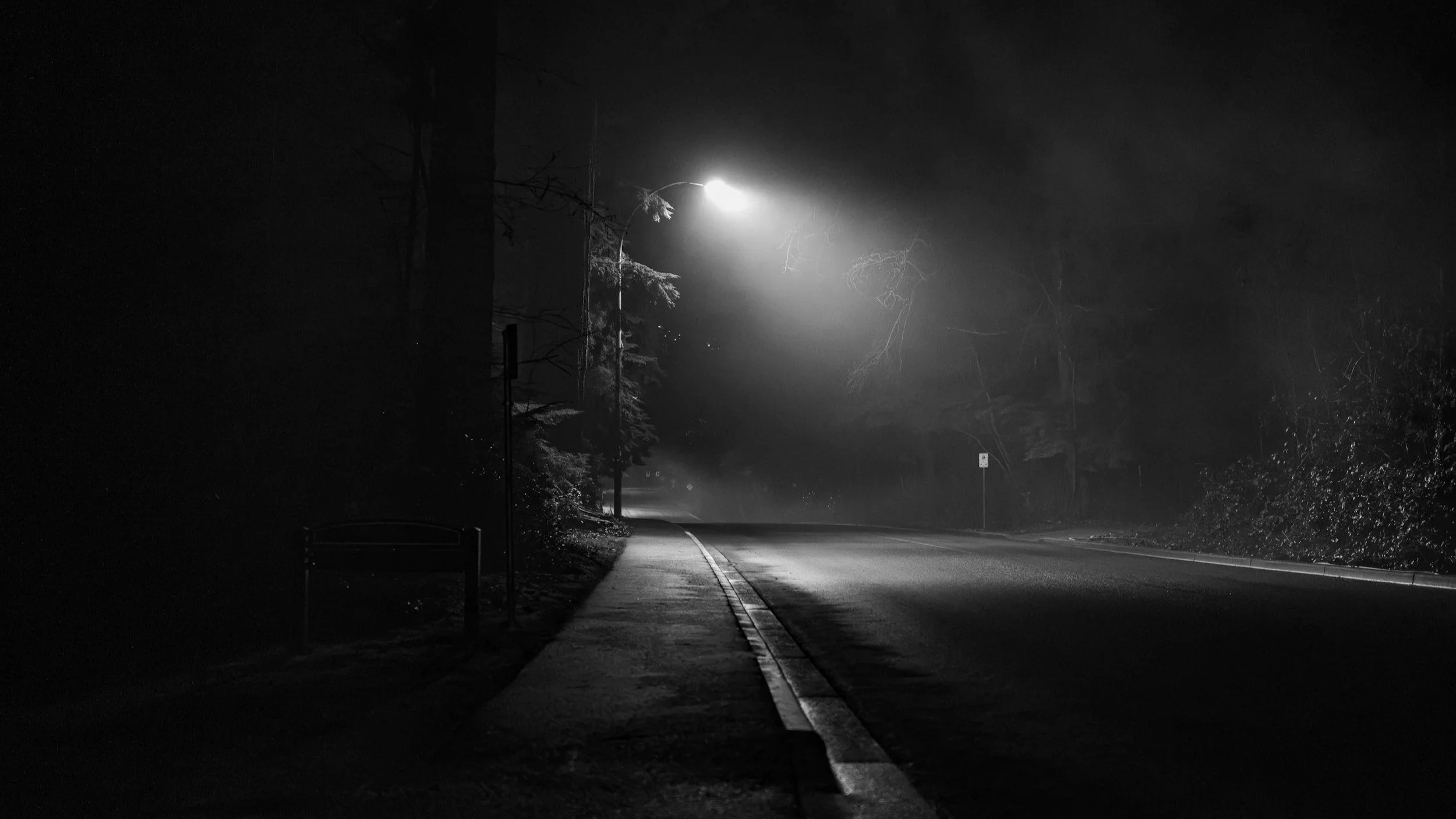
What Commuting in the Dark Actually Does to You
Our brains look to natural daylight to tell us what time it is and how to feel. When that light goes missing, our internal rhythm gets thrown off balance:
Winter blues vs. SAD: Most of us feel a general winter dip, but for 2 to 5 percent of Canadians, it turns into Seasonal Affective Disorder. This is a clinical type of depression marked by deep fatigue, oversleeping, and persistent low mood.
Lingering sleepiness: Natural light hitting your eyes in the morning signals your body to shut off melatonin (the sleep hormone) and kickstart your day. Without it, you stay stuck in "sleep inertia," which is that heavy, foggy feeling that refuses to lift until mid-morning.
A dip in serotonin: Sunlight triggers serotonin, the brain chemical responsible for stable moods, focus, and calm. Less daylight often leads to lower mood, dropping motivation, and intense cravings for carbs.
The "hibernation" reflex: Arriving home when it is already pitch black tricks your body into thinking bedtime is an hour away. That makes going to the gym, meeting friends, or cooking a healthy dinner feel impossible, which slowly isolates us from the things that keep us well.
Realistic Ways to Counter the Darkness
Bring bright light into your mornings
Grab a 10,000-lux therapy lamp: Sit near it for 20 to 30 minutes while you drink your morning coffee or do your morning routine. It tells your brain to stop pumping melatonin.
Consider a sunrise alarm clock: Waking up to a bedroom that gradually gets brighter is much gentler on your nervous system than a blaring alarm in a pitch-black room.
Flick on the overhead lights: Avoid lingering in dim rooms in the morning. Bright, cool light helps alert your brain that the day has started.
get out in the midday sun
Go for a 15-minute noon walk: Even behind grey winter clouds, outdoor light is far brighter than any office bulb. Bundling up and getting outside anchors your internal clock and breaks up the day.
Try to work by a window: If you work in an office or at home, pull the blinds all the way up and keep your workspace close to natural light.
Lean into cozy connection
Don’t let the darkness trap you in isolation.
Schedule social time on purpose: Do not wait until 5:00 PM to decide if you feel like meeting a friend, because once it is dark and cold, you will probably want to stay home. Put coffee dates or dinner plans on the calendar ahead of time.
Build an evening ritual you actually enjoy: Embrace the slow evenings with warm tea, dim warm lighting, blankets, and good books instead of spending three hours scrolling your phone in the dark.
You Don't Have to Navigate The darkness Alone
Feeling a shift in your energy as the days shrink is completely normal, but you don’t have to struggle through persistent low mood, overwhelming fatigue, or loneliness on your own.
The therapists and coaches at Kindred Roots Therapy are here to help you feel like yourself again. You can connect with our team in person at our offices in Okotoks or Inglewood in Calgary, or access virtual support online from anywhere in Alberta. Reach out today to take the next step.
Ready to start the conversation? Reach out to Kindred Roots Therapy to connect with a team member.